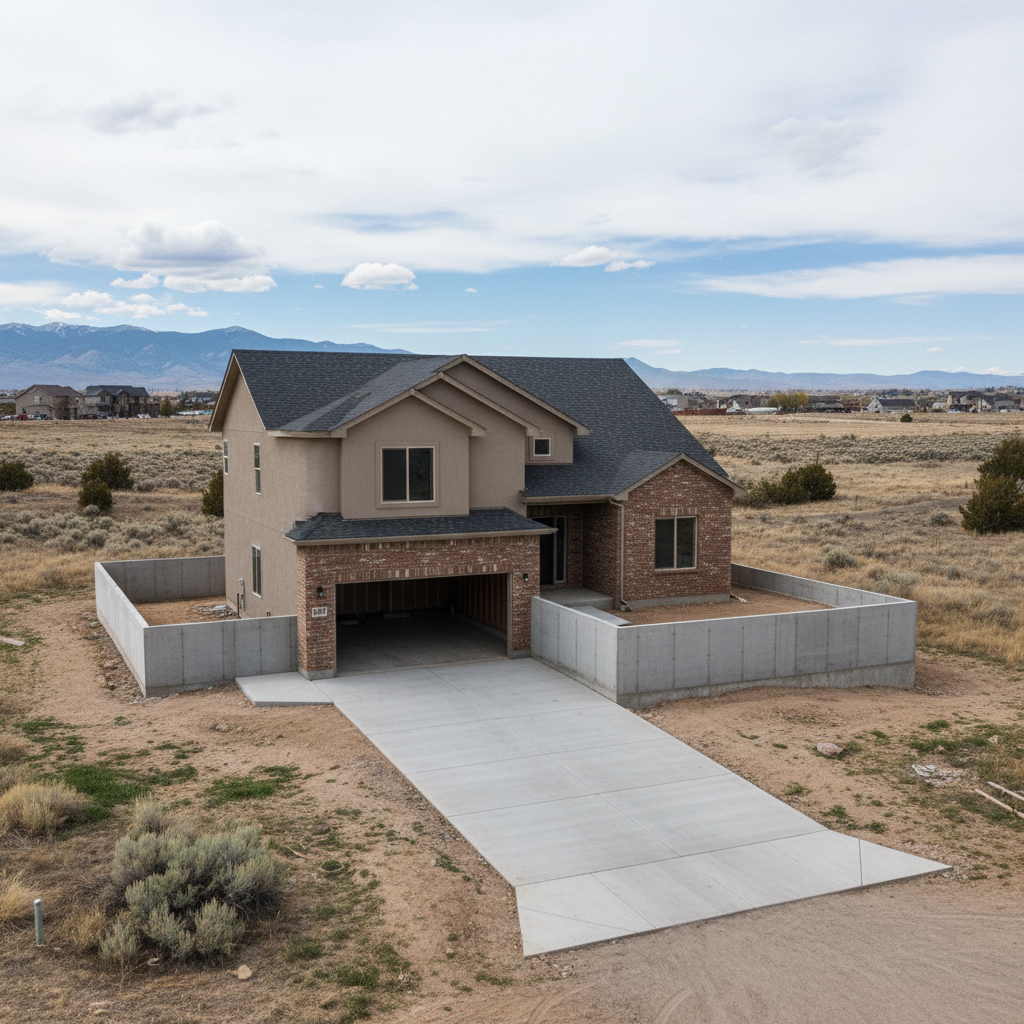
Building something new, or even just adding onto what's already there, is a pretty big deal. And when it comes to concrete foundations, especially right here in Layton, you can't just cross your fingers and hope for the best. There's way more to it than just mixing cement and water, trust me. I've been doing this for a long time, and I've seen firsthand what happens when folks try to cut corners or don't really get the local conditions.
The Lowdown on Layton's Ground
One of the biggest things for any foundation is the dirt it's sitting on. Here in Layton, particularly as you get closer to the bench or in some of those newer areas out east, you'll find a real mix. We've got spots with good, stable granular soil, but then you hit pockets of expansive clay. That clay can be a total pain. When it gets wet, it swells up; when it dries out, it shrinks. This constant shifting can really stress a foundation, leading to cracks, settling, and all sorts of structural headaches later on. We also have to think about the water table, especially if you're planning a basement. I've seen plenty of homes in older neighborhoods, like those around Gentile Street, where basements can end up damp if the drainage wasn't handled correctly from day one.
Why Local Knowledge Isn't Just a Fancy Phrase
This isn't simply about knowing how to pour concrete. It's about knowing where you're pouring it. A contractor from out of state, or even just from the south end of Salt Lake Valley, might not understand Layton's specific soil reports, frost depths, or even the common building methods that have grown and changed here over decades. We get those tough winters, right? Freezing and thawing cycles are no joke for concrete. Your foundation needs to be designed and poured to handle that constant expansion and contraction. That means proper rebar placement, the right concrete mix, and enough curing time.
For example, if you're putting up a new house in one of the subdivisions near the Layton Hills Mall, where the soil might be more disturbed or filled in, you'll need a different approach than someone building a detached garage on a stable lot in an older, established area. We always look at the specific site, not just some generic blueprint.
Common Layton Projects We Work On
What kind of foundation work do we usually see around here? It's a pretty wide variety:
- New Home Foundations: From smaller starter homes to custom builds, we lay the groundwork for entire houses. Getting this perfect is absolutely essential.
- Additions: Expanding your living space is super popular. Connecting a new foundation smoothly into an existing one takes real precision and experience to avoid future problems.
- Detached Garages & Shops: Whether it's for extra storage, a workshop, or parking, a solid slab or footing for a detached structure is key.
- Shed Pads & Outbuildings: Even smaller structures need a stable base to keep them from settling and getting water damage.
- Foundation Repairs: Sometimes, we get called in when an older foundation starts showing its age or reacting to those tricky soil conditions I mentioned. It's not always a full replacement; sometimes it's about making things stable and reinforcing them.
Doing It Right The First Time
You really don't want to mess around with your foundation. It's literally the base of everything else. Fixing foundation problems later on is incredibly expensive and a huge hassle. It's much, much better to invest in quality work upfront. When Aim High Concrete takes on a foundation project, we're not just thinking about today; we're thinking about how that foundation will hold up 10, 20, even 50 years from now. We take the time to understand the soil, the local codes, and exactly what your project needs. It's about knowing that what you're building is going to stand strong for generations, isn't it?
So, if you're planning a project that needs a solid foundation here in Layton, make sure you're talking to someone who knows the lay of the land, literally. It makes all the difference.