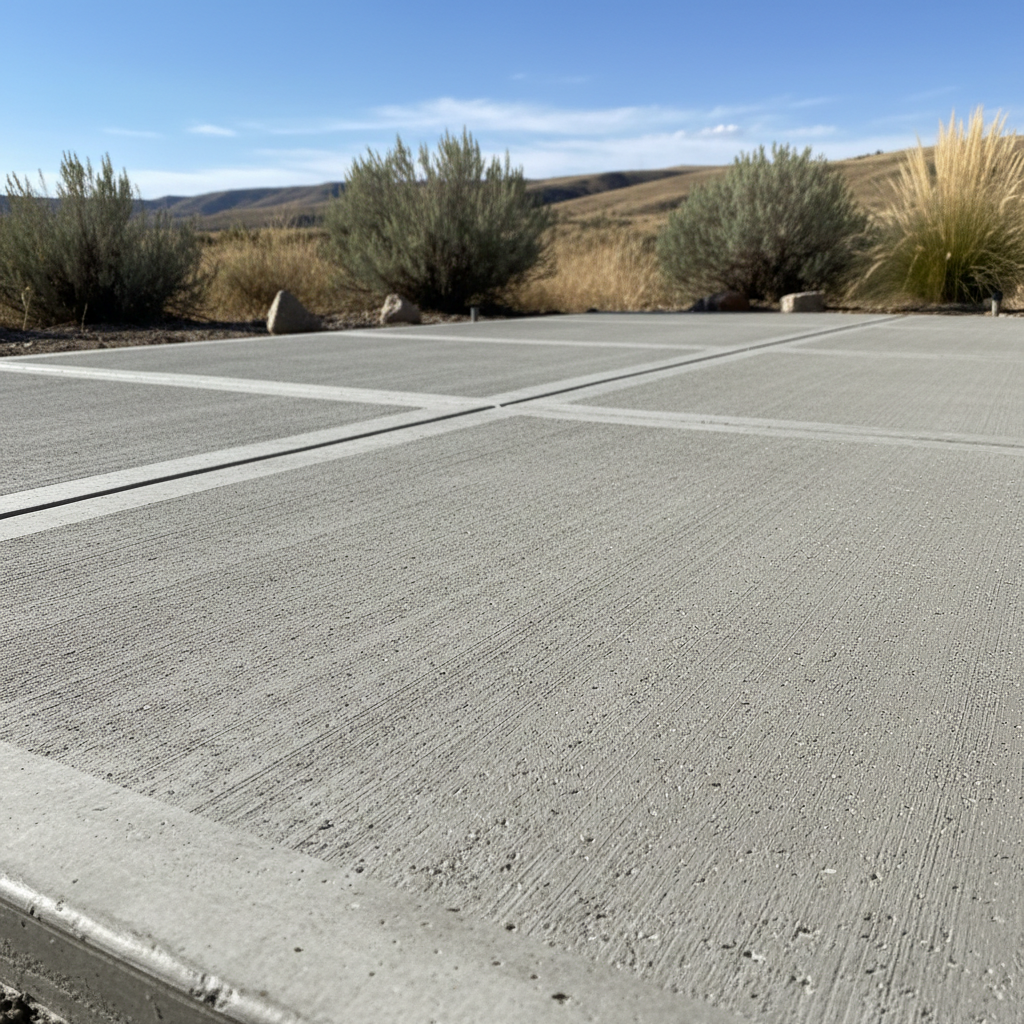
Homeowners in Layton, UT often look at a crumbling backyard patio or a cracked driveway and think about tearing it out themselves. Pouring concrete looks deceptively simple on home improvement shows. But if you live here in Layton, UT, you already know our local climate and soil conditions do not forgive shortcuts. Between the heavy clay soils through parts of the valley floor and our brutal freeze-thaw cycles, Concrete Installation requires getting a lot of little details right the first time.
Before the First Shovel Hits the Dirt
Preparation makes or breaks your Concrete Installation project long before the truck ever arrives. You need to map out your site, check utility lines, and dig down deep enough to establish a solid sub-base. Here on the Wasatch Front, compaction is everything. If you skip compacting your base gravel, your brand-new slab will shift the first time winter moisture freezes and expands underneath it.
Homeowners can realistically handle several tasks during this prep phase. You can handle the demolition of old, broken concrete if you have a weekend and a rented breaker. You can also dig out the soil, haul away the debris, and wheelbarrow in your crushed gravel. But getting the grade right for proper drainage away from your house foundation is tricky. If you miss that slope by even a fraction of an inch, you will end up with pooling water every time it rains.
During the Pour: Managing the Chaos
When the concrete truck rolls up, the clock starts ticking fast. Concrete waits for no one, especially when summer temperatures spike or dry winds blow across Davis County. You have a very limited window to screed, float, and edge before the surface starts setting up.
This is precisely where amateur DIY projects go sideways. Trying to place, screed, and finish a large driveway or patio by yourself usually results in uneven spots, birdbaths, and ugly trowel marks. Aim High Concrete brings a whole crew for Concrete Installation because timing and teamwork are everything once the mud hits the forms. If you are pouring a tiny backyard stepping stone path or a small generator pad, you can mix bags in a trough. Anything larger than a few square feet calls for professional muscle and specialized tools.
After the Pour: Curing and Protecting Your Investment
Most people think the job is done once the concrete is smooth and gray. Far from it. Concrete does not actually dry to get hard—it cures through a chemical reaction that needs moisture and time. Letting it dry out too fast under a hot Layton sun will cause surface dusting and map cracking.
Homeowners can easily handle the post-pour care themselves. Keep the fresh slab damp for at least five to seven days by gently spraying it down or laying wet burlap over it. Once it has fully cured after a month, apply a quality breathable sealer to block out moisture and road salts.
If you are planning a new pad or walkway this season, weigh your sweat equity carefully against the headache of fixing a failed pour. For simple layouts, roll up your sleeves. For anything structural or large-scale, Aim High Concrete provides Concrete Installation services for homes and businesses in Layton.