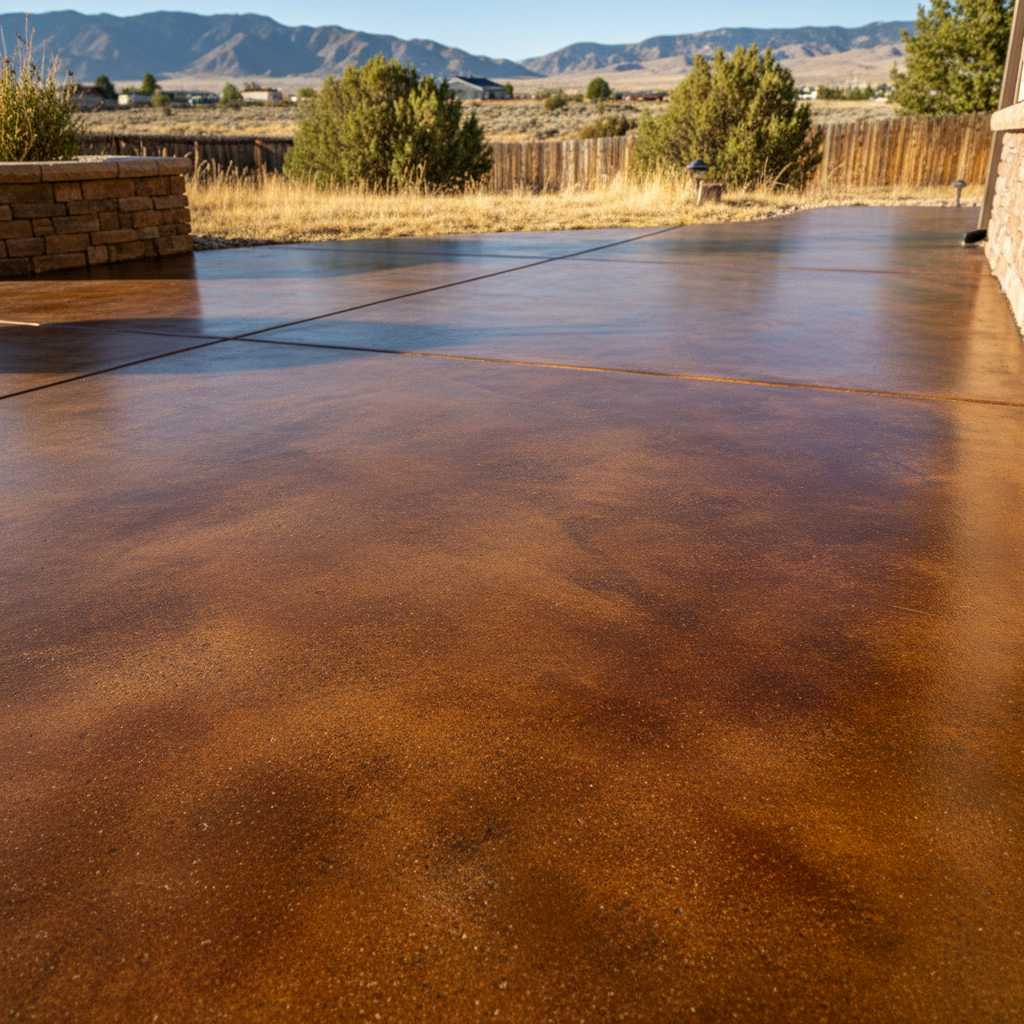
So, you're staring at that plain concrete slab in your backyard or basement and thinking, "Man, that could really use some color." Concrete staining is an awesome way to turn a boring gray surface into something beautiful. It's actually a pretty popular choice for folks all over Layton. But hold on a sec before you dash off to the hardware store for supplies. Let's chat about what you're really getting into.
Before You Start: Planning & Prep
Honestly, this is where most DIY staining projects go sideways. You just can't slop stain onto dirty concrete and expect it to look good. The prep work? That's probably 80% of the job, and you absolutely cannot skip it.
- Clean, Clean, Clean: Your concrete needs to be spotless. That means getting rid of any old sealers, paint, grease, oil, or just plain dirt. For outdoor patios, especially ones that have seen a few Layton winters, you're looking at power washing, degreasing, and maybe even some acid etching to really open up the concrete's pores. If you skip this step, the stain won't soak in evenly. You'll end up with splotches, or spots where it just doesn't take at all.
- Fix Cracks & Damage: Staining won't hide cracks; in fact, it'll make them stand out. If you've got big cracks or spalling, you need to fix those first. Just remember, patched areas might take the stain differently than the original concrete. So, yeah, you might see some variations. That's just how it goes.
- Test, Test, Test: Always, and I mean *always*, test your stain in a spot that's not easily seen. Maybe a small corner of the patio, or even a spare concrete paver if you have one lying around. Concrete acts like a sponge, but every slab is unique. Its porosity, age, and even the mix used when it was poured will change how the stain looks. You definitely don't want to stain your entire living room floor only to find it's not the color you pictured, right?
- Know Your Concrete: Is it brand new? Super old? Has it been sealed before? If it's a newer slab, say less than 28 days old, it might still be curing and not quite ready for stain. If it's old and really dense, it might not absorb acid stain well at all.
DIY or Pro? Here's the Real Talk
Okay, so when can you tackle this yourself, and when should you give someone like us at Aim High Concrete a call?
When DIY Makes Sense:
- Small, Simple Projects: Got a small, unsealed concrete pad that's pretty clean and in good shape? Maybe a utility room floor? You can probably handle that.
- Water-Based Stains: These are generally much more forgiving than acid stains. They're easier to put on, don't react with the concrete in the same unpredictable way acid stains do, and cleanup is simpler. You'll get a more opaque, consistent color with these.
- You're Patient & Detailed: If you have the time to do all the prep work correctly, apply thin, even coats, and follow every single instruction, you can get a decent result.
When to Call Aim High Concrete:
- Big Areas: A large patio, a whole basement, or a garage floor. Trying to keep the application consistent over a huge area is tough for someone who doesn't do it all the time. You'll likely end up with lap lines or uneven coverage.
- Acid Stains: These are much trickier. Acid stains chemically react with the free lime in the concrete, creating a translucent, mottled, one-of-a-kind look. It's beautiful, but it's also less predictable. The color you see in the bottle? That's not the color you'll get on your floor. Plus, you're dealing with acids, which means you need proper safety gear and neutralization.
- Complex Designs: If you're dreaming of multiple colors, stenciling, or intricate patterns, that's definitely pro territory.
- Existing Coatings or Tough Stains: If your concrete has old paint, epoxy, or really deep oil stains, getting those off effectively without messing up the concrete requires specialized equipment and experience.
- You Want a Flawless Finish: Pros have the right tools – commercial grinders, high-pressure washers, specialized applicators – and the experience to achieve a truly professional, even, and durable finish. We know how to handle different concrete conditions, like the varied soil compositions we see around Layton, which can affect the concrete mix and how it takes stain over time.
During the Project: Application & Sealing
Whether you do it yourself or hire us, the application needs to be even. For acid stains, people often use a pump sprayer. For water-based, you might use a sprayer, roller, or brush. Multiple thin coats are always better than one thick one.
Once the stain is dry and you've got the look you want, you absolutely have to seal it. Sealing protects the stain from wear, UV rays (super important for outdoor surfaces here in Utah's sun), and moisture. Use a good quality concrete sealer that's right for your stain type and whether it's indoors or outdoors. Two thin coats usually work best.
After the Project: Maintenance
Stained concrete is pretty easy to care for, but it's not *no* maintenance. Clean it regularly with a mild, pH-neutral cleaner. Stay away from harsh chemicals or abrasive scrubbers, especially on sealed surfaces. For outdoor areas, a simple hose-down and occasional scrubbing will do the trick. Indoors, a damp mop is usually enough.
Depending on how much foot traffic it gets and how much sun it sees, your sealer will need reapplying every few years. High-traffic areas or outdoor patios might need it more often than, say, a basement floor. When water stops beading on the surface, that's your cue: time to reseal.
Staining concrete can really boost your home's curb appeal or totally transform an indoor space. Just make sure you go into it knowing what kind of work is involved. If you're feeling overwhelmed or just want a guaranteed professional finish, don't hesitate to give Aim High Concrete a call. We're always happy to chat about your project.